|
 "Terra
d'Africa: una volta che hai imparato a danzare al ritmo
delle sue stagioni e delle maree dell'oceano non puoi
più farne a meno, perché è una danza
che ti entra nella pelle ed arriva al cuore, una danza
a volte morbida e leggera che ti avvolge, a volte prepotente
e sensuale che ti afferra e ti trascina... e tu non sei
più come prima” (P.Pajetta) "Terra
d'Africa: una volta che hai imparato a danzare al ritmo
delle sue stagioni e delle maree dell'oceano non puoi
più farne a meno, perché è una danza
che ti entra nella pelle ed arriva al cuore, una danza
a volte morbida e leggera che ti avvolge, a volte prepotente
e sensuale che ti afferra e ti trascina... e tu non sei
più come prima” (P.Pajetta)
Paolasafaris con LaTuaAfrica concepisce
l'organizzazione di un itinerario safari non soltanto
su programmi prestabiliti, ma tenendo presente le indicazioni
del cliente, studiando e valutando insieme la soluzione
migliore sia dal punto di vista economico che per quanto
riguarda luoghi d'interesse, tappe di viaggio e aspettative.
E' un meticoloso lavoro di costruzione e di corrispondenza
in totale sinergia con il cliente seguendo direttamente
in prima persona la scelta più idonea di itinerari,
lodges, hotels, campi tendati, compagnie aeree e ogni
altro particolare. Si tratta di un lavoro che richiede
grande pazienza, flessibilità, conoscenza tecnica
e soprattutto amore e passione per questa terra oltre
che il desiderio di mettersi in gioco ogni volta.
Oggi che abbiamo realizzato il nostro sogno e avviato LaTuaAfrica,
il nostro progetto è quello di offrire nuove idee
oltre a quelle già esistenti, aggiungendo nuova
esperienza ma soprattutto proponendo programi di viaggio
elaborati e studiati attentamente perché i sogni
e le aspettative di chi viaggia sono per noi assolutamente
importanti e vogliamo che si traducano in una splendida
realtà prima e in un indelebile ricordo di viaggio
dopo al rientro. Un viaggio sicuro e tranquillo dove noi
abbiamo già pensato a tutto durante la fase di
elaborazione, di preparazione e di realizzazione pratica
dell'itinerario. A voi resta solo godere dello spettacolo
meraviglioso che questa terra d'Africa vi offrirà
ad ogni tappa ed in ogni momento della vostra giornata.
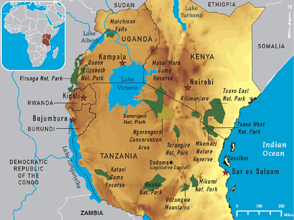
Questa parte del continente Africano (East Africa) offre
una vasta scelta di programmi di viaggio, di safari ed
esplorazioni vere e proprie; emozionanti itinerari abbinati
ai nostri programmi principali oppure inseriti in un viaggio
costruito su misura. In queste pagine trovate i nostri
consigli di viaggio e le informazioni su queste meravigliose
destinazioni: il Kenya
 e la Tanzania
.
e la Tanzania
.
Ogni safari è corredato dalla traccia GPS, visibile
col programma Google Earth ,
così da vivere appieno questa avventura straordinaria.
Ovunque trovate l'icona  è disponibile il tracciato di spostamento o la
posizione esatta del luogo.
è disponibile il tracciato di spostamento o la
posizione esatta del luogo.
 Venite
con noi a scoprire le vaste distese pianeggianti del Masai
Mara e del Serengeti spettatori di uno dei più
emozionanti spettacoli della natura: le grandi migrazioni.
Non perdete l'opportunità di scendere nella caldera
vulcanica più incredibile della Terra, il cratere
del Ngorongoro, dove la bellezza incontaminata della natura
vi avvolgerà e resterà un ricordo indelebile
per la vita. E poi il Lago Manyara ed il Lago Natron ed
ancora, proseguendo lungo la dorsale della Great Rift
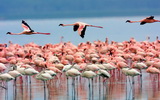
Valley, da un lato, i laghi Naivasha, Nakuru, Elementaita
e Baringo in Kenya e dall'altro la meravigliosa Riserva
Selous ed il Parco del Ruaha con i loro imponenti corsi
d'acqua in Tanzania; montagne e coni vulcanici spettacolari,
colline fitte di boschi di acacia e di foreste sempreverdi,
piantagioni sconfinate di caffè e di the, vallate
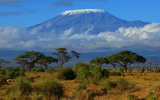
e ruscelli, cascate e laghi, il Monte Kenya ed il Kilimanjaro,la
terra rossa dell'immenso Tsavo e la natura selvaggia e
prepotente del Nord del Kenya a Samburu e Shaba fino al
grande lago di giada, il Lago Turkana, in un susseguirsi
di terra sconfinata che vi lascerà stupefatti. Venite
con noi a scoprire le vaste distese pianeggianti del Masai
Mara e del Serengeti spettatori di uno dei più
emozionanti spettacoli della natura: le grandi migrazioni.
Non perdete l'opportunità di scendere nella caldera
vulcanica più incredibile della Terra, il cratere
del Ngorongoro, dove la bellezza incontaminata della natura
vi avvolgerà e resterà un ricordo indelebile
per la vita. E poi il Lago Manyara ed il Lago Natron ed
ancora, proseguendo lungo la dorsale della Great Rift
Valley, da un lato, i laghi Naivasha, Nakuru, Elementaita
e Baringo in Kenya e dall'altro la meravigliosa Riserva
Selous ed il Parco del Ruaha con i loro imponenti corsi
d'acqua in Tanzania; montagne e coni vulcanici spettacolari,
colline fitte di boschi di acacia e di foreste sempreverdi,
piantagioni sconfinate di caffè e di the, vallate
e ruscelli, cascate e laghi, il Monte Kenya ed il Kilimanjaro,la
terra rossa dell'immenso Tsavo e la natura selvaggia e
prepotente del Nord del Kenya a Samburu e Shaba fino al
grande lago di giada, il Lago Turkana, in un susseguirsi
di terra sconfinata che vi lascerà stupefatti.
Le opportunità sono tantissime. La Tua Africa è
a vostra disposizione per realizzare il vostro prossimo
progetto di viaggio; siamo a portata di mano, anzi...
di click!
Paola
Pajetta


|